History
Hong Kong International School (HKIS) was established in 1966 to offer an American education with Christian values, welcoming 600 students on its first day. Today, HKIS is home to over 3,100 students from 45+ countries, 281 teachers spread across two campuses, and over 8,000 graduates to date. HKIS has a solid reputation as one of the best international schools in Asia, making it the perfect final stop on my tour of the top international schools in the world.
Background
My former colleague at ICS Hong Kong, Suanne Forrester, kindly introduced me to her friend, Gayle Renken, Lower Primary Associate Principal at HKIS’ Repulse Bay campus. Gayle is a skilled problem solver with a joy for learning which she instills in her team. She has served at HKIS in two stints of 8 years and will be joining Concordia International School Hanoi as elementary principal next school year.
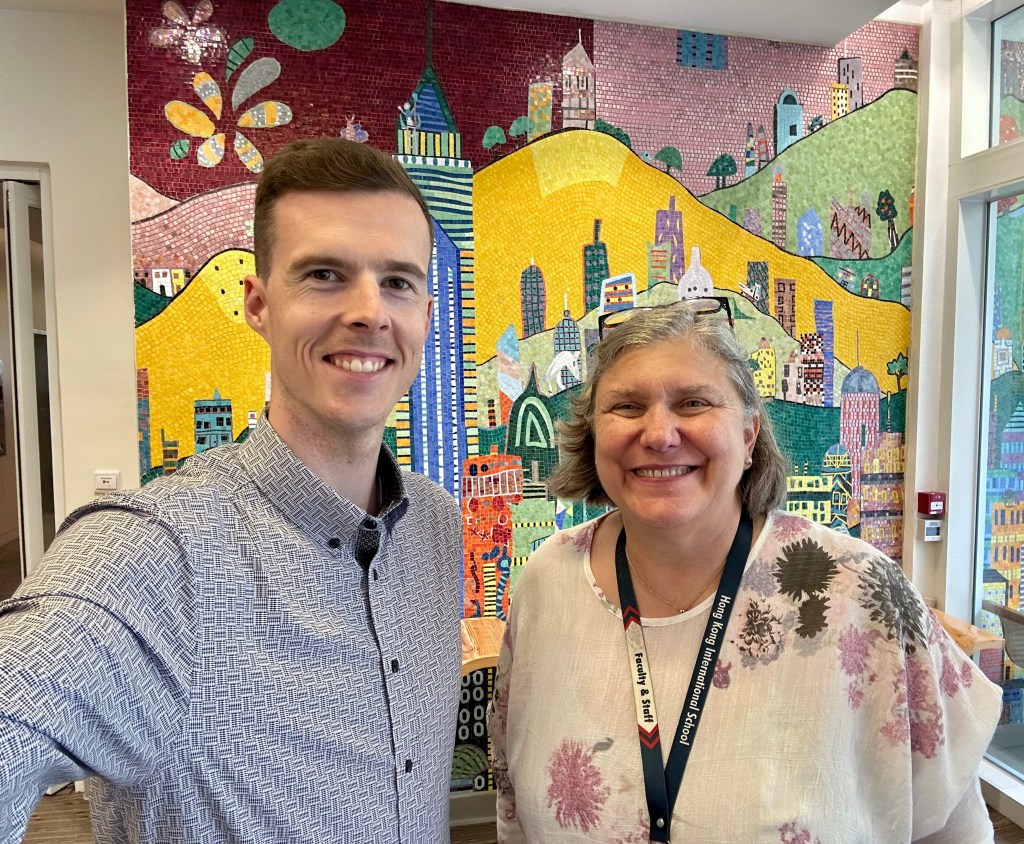
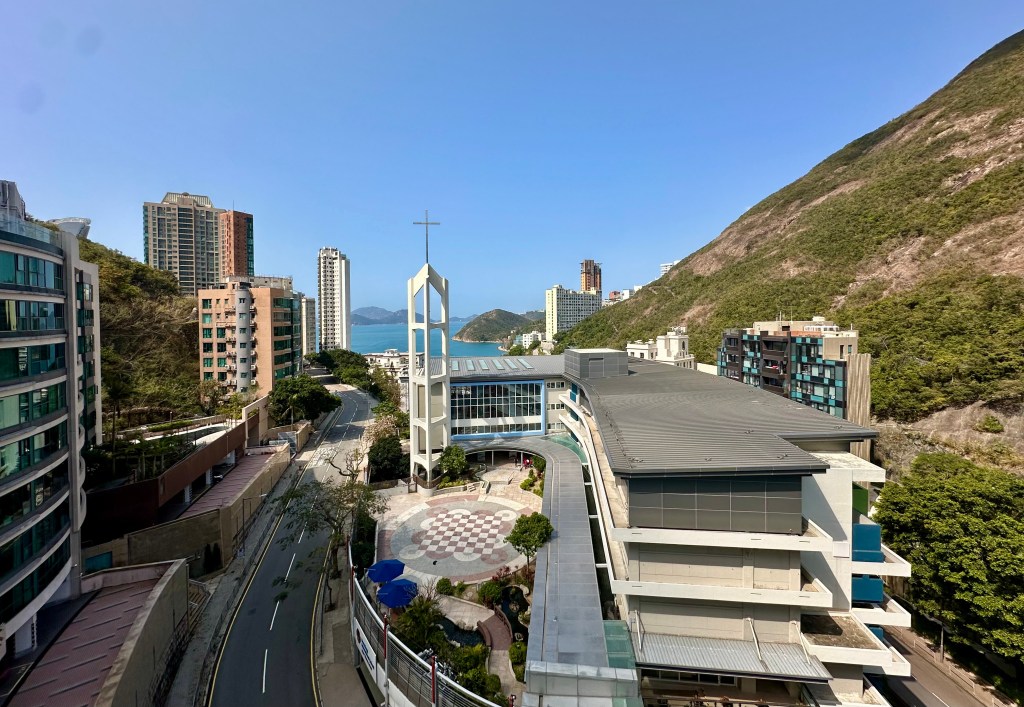
HKIS has two campuses: Repulse Bay for Pre-K to Grade 5 and Tai Tam for Grades 6 to 12. When I taught at ICS HK I coached basketball and attended a conference at the Tai Tam campus, but I hadn’t visited the Repulse Bay campus, so I was excited at the opportunity to explore that space. My excitement was amplified by the fact that the majority of my experience as a teacher and leader has been with the secondary school divisions within K-12 schools. I prepared for my visit with Gayle knowing it would be a masterclass in what defines a world-class international elementary school and boy was I right!
Highlights
While waiting for my meeting with Gayle I noticed something wonderful. An open house parent-led tour was just about to start. Aside from the awkward fact that the tour leaders thought I was one of the tour participants, because I was sitting in the waiting area, I enjoyed watching the tour start. What is it that wise business leaders say, “the best advertising is positive word of mouth advertising”? Yeah I think that’s it. HKIS clearly understands this principle, because they have parents lead these tours. As Gayle and I toured the building, we continued to intertwine with various tour groups. The parents were crushing it, they were funny and engaging, and best of all their opinion was worth more than gold because their kids attend the school.
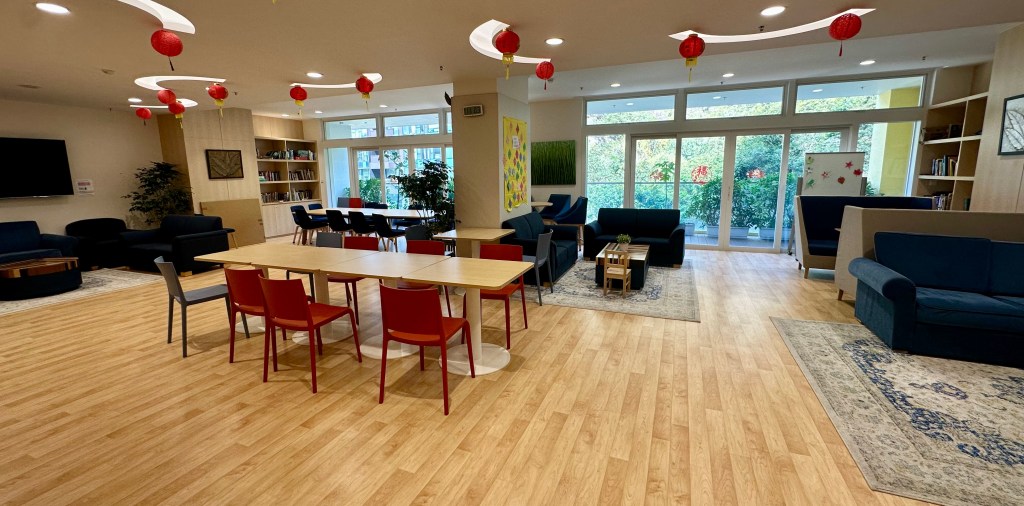
To spark staff connection, each grade level teaching team hosts an event throughout the year. Some notable recent events included beach time (just a few minutes walk from campus), movie night, and a breakfast cereal buffet. For initiatives like this the ‘what’ is not nearly as important to school culture improvement as the ‘why’ or the ‘who’. In this case the ‘why’ is building community and the ‘who’ is the teaching faculty themselves. I love to hear about initiatives like this because organic community building led by teachers and staff proliferates healthy school culture.
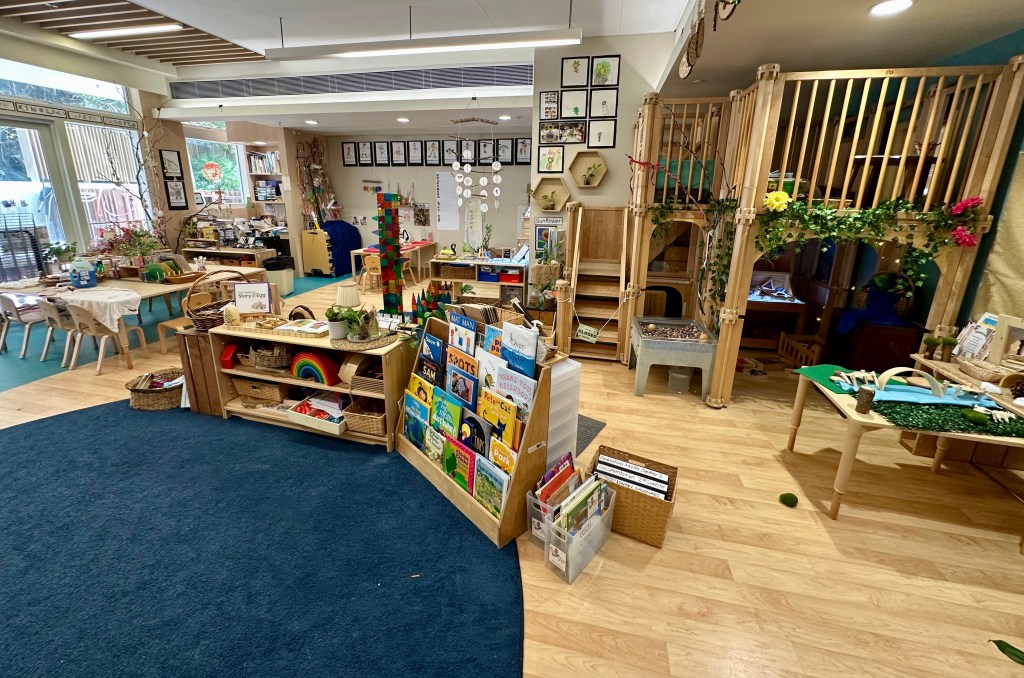
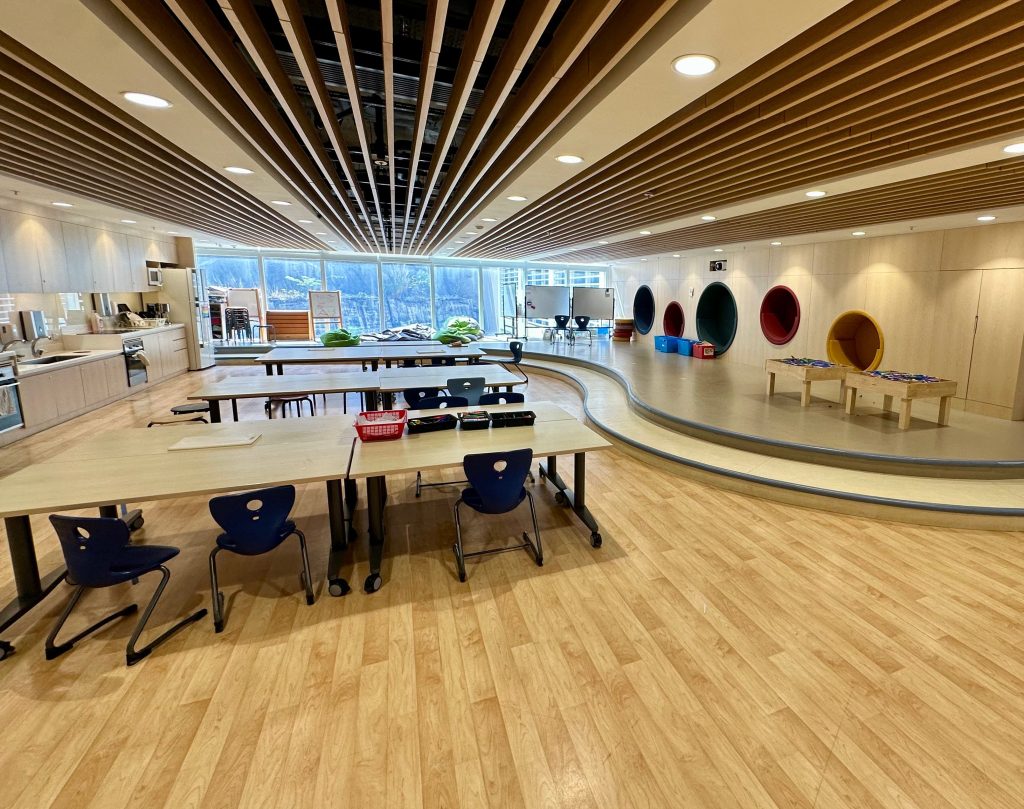
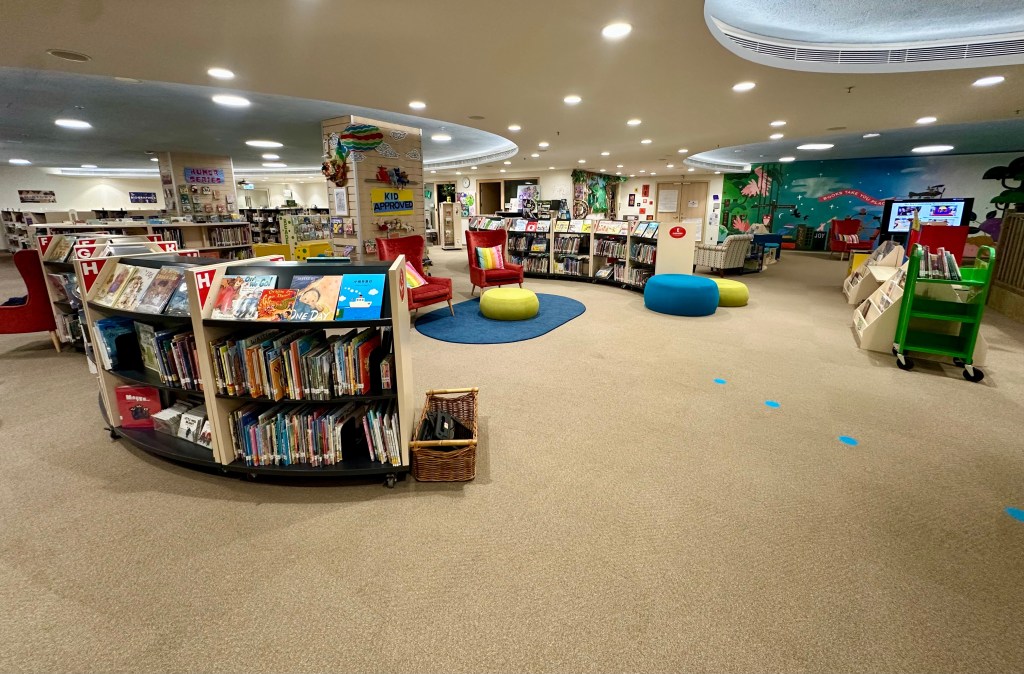
A clear theme in the construction of the Lower Elementary building, built in 2017, was a connection to the local Hong Kong culture. There is a play structure themed after the famous harbour Star Ferry, artwork that represents the city, and each breezeway has a local theme, including Chinese mythology, Hong Kong city, and forests. The degree to which HKIS represents the community in their school is truly commendable.
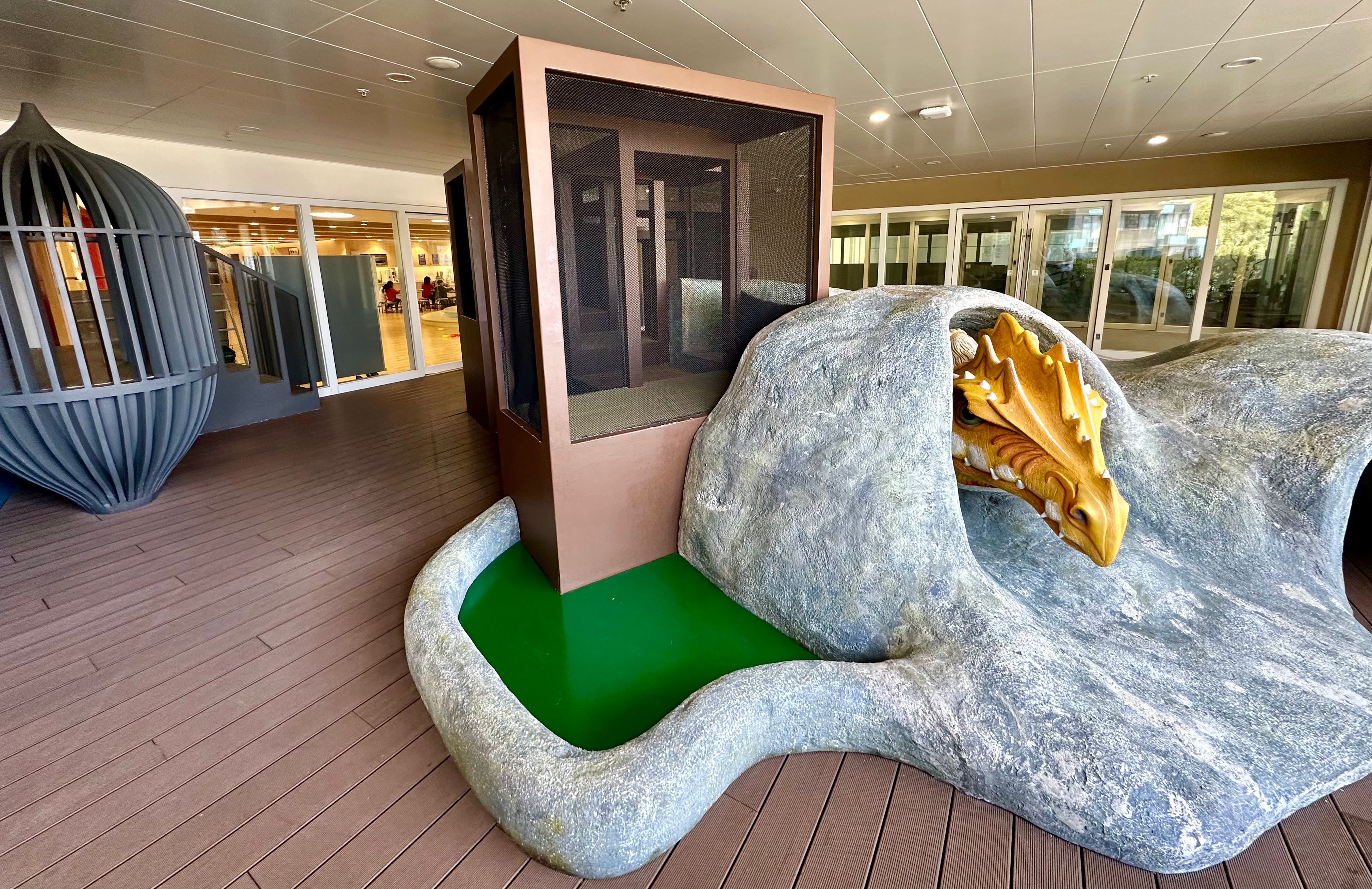
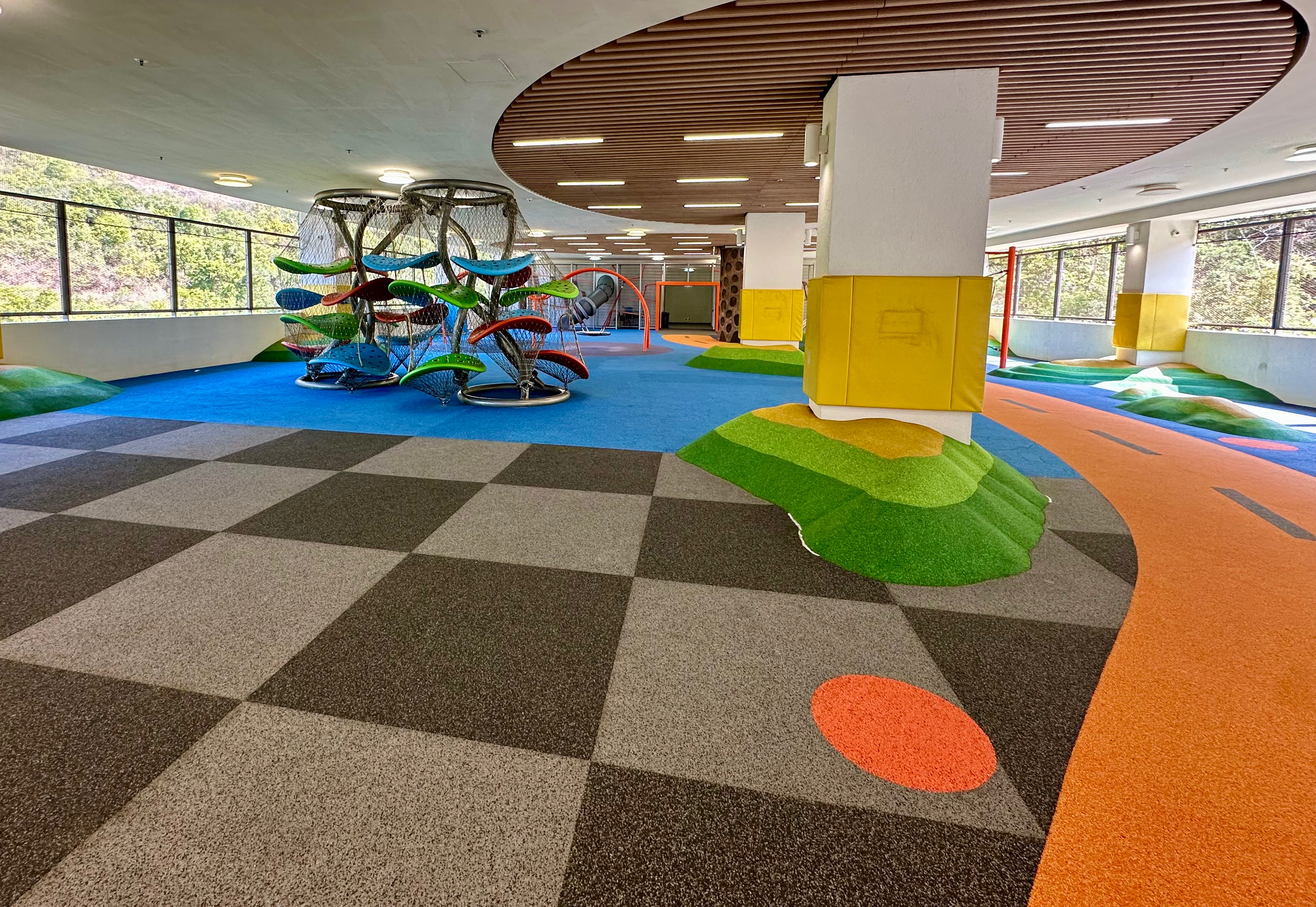
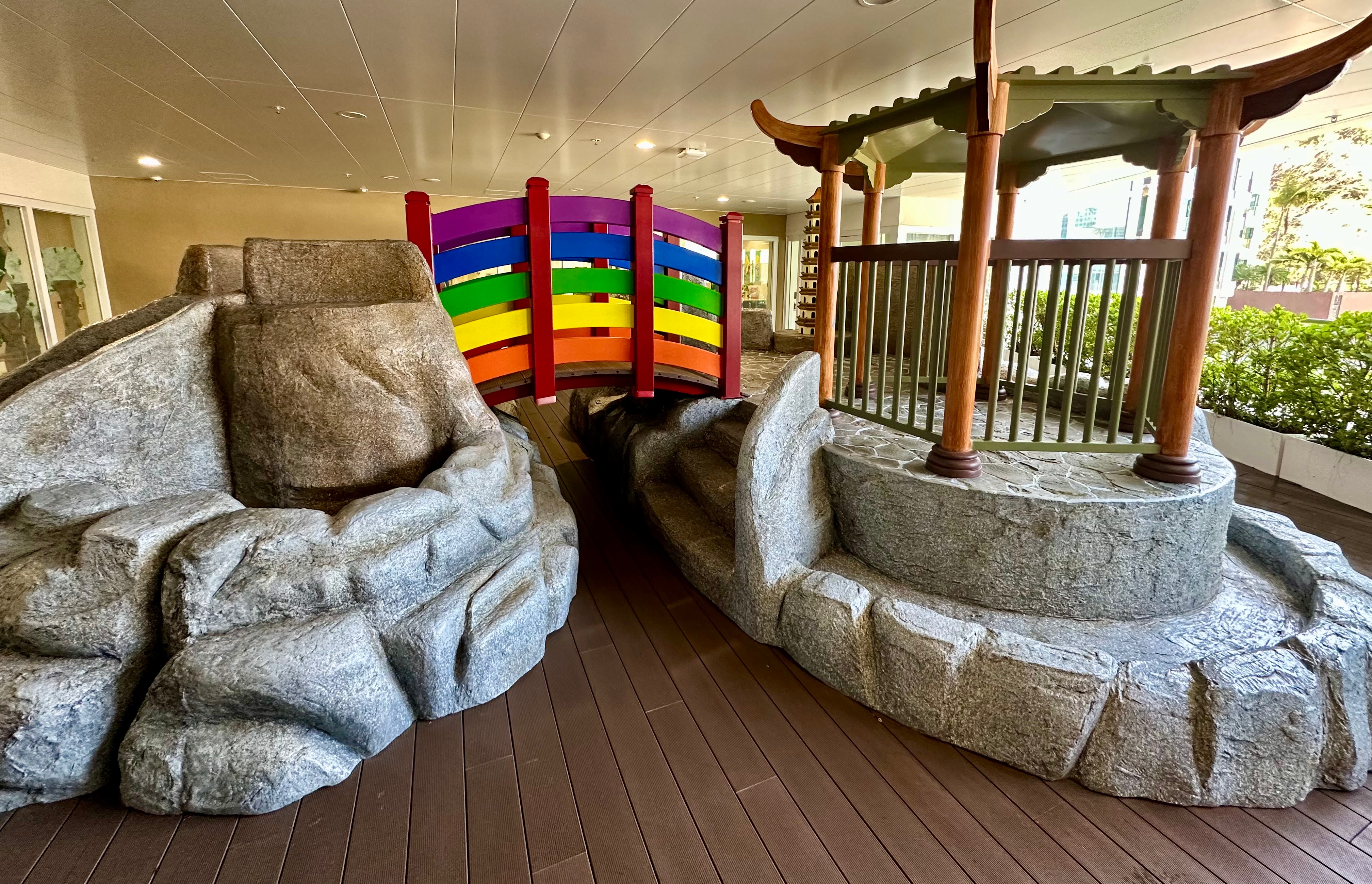
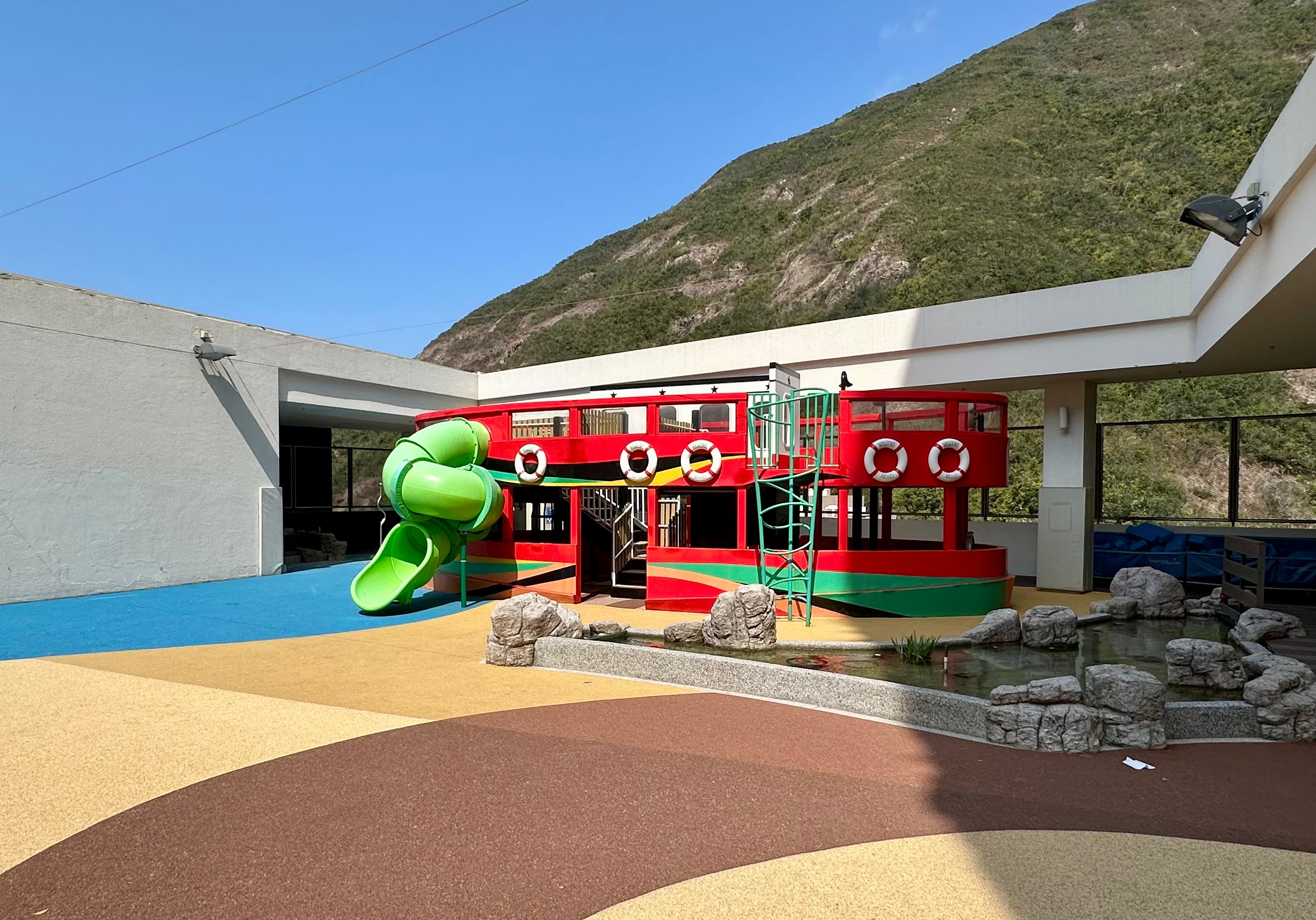
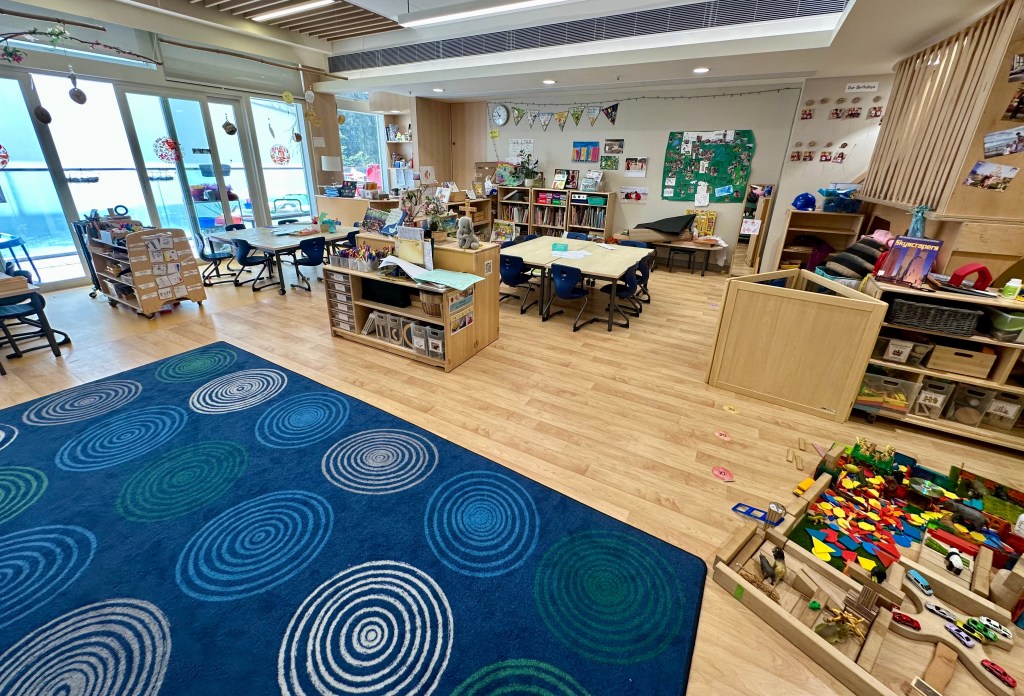
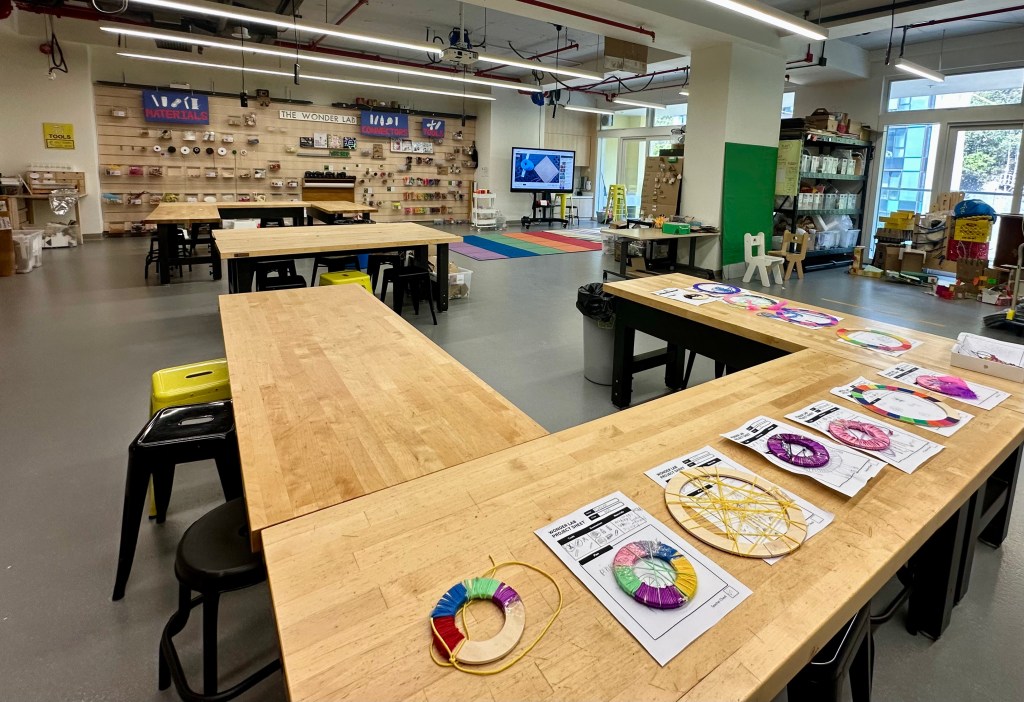
Research indicates that a clear focus on teaching and learning improves school culture. Gayle taught me about the Reggio Emilia approach, which originated in post-World War 2 Italy, which focuses on student-centered, relation, and play-based learning. Gayle guided me through the process that she engaged in to empower teachers with play-based methods through modeling, professional development, and coaching. Throughout multiple years they set annual goals as a division related to increasing their competency with play-based education, modeled play in faculty meetings, took a course through Harvard University’s Project Zero, developed common definitions of play, created an early-childhood education conference, and continued to coach teachers according to this approach.
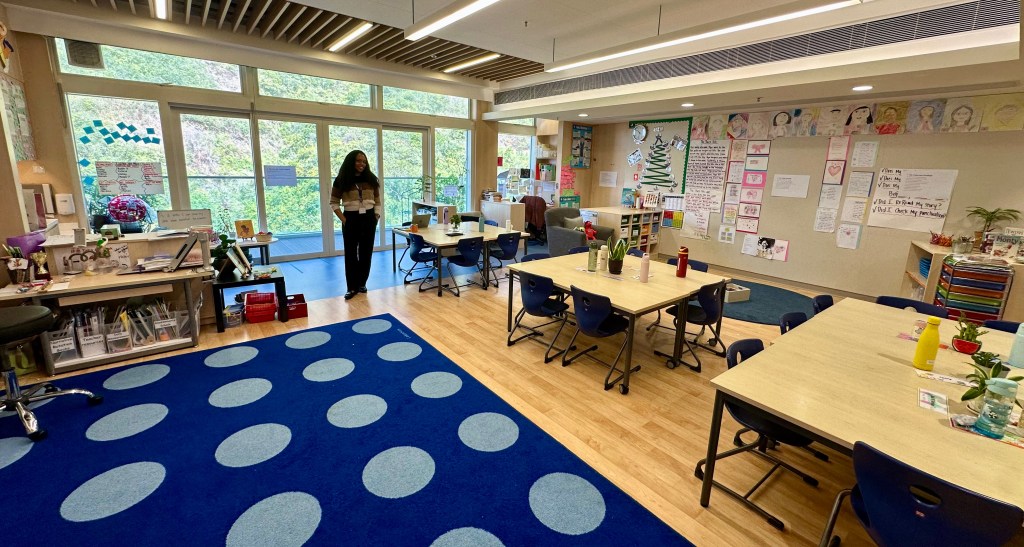
HKIS’ scaffolding of the teaching and learning process for educators underlines a key theme from my school visits during Adventure Year. The best international schools in the world set clear goals for teaching and learning, then implement key resources over time to reach those goals. They don’t get distracted, they achieve their goals with strategic precision.
3 Key Takeaways
- Attention to Accessibility: Make learning accessible through multi modality and collaboration with parents. Make core messaging accessible for the community. What barriers can you remove from your school’s learning or messaging?
- Bring Local Culture Into The School: Represent the culture and community you serve through art, decoration, language, music, and story telling. What is one space that you can use to honor the culture around you?
- Excellence Requires Commitment: Expertise in teaching and learning requires clear goals and sustained commitment. What’s one teaching and learning initiative that you can invest in further? Conversely, what’s one initiative that needs to end to make room?
This was the last international school campus visit on Adventure Year. What an incredible experience! Stay tuned for more international school content coming soon.
Build culture, unlock potential. Visit my Connect Page or send a message on LinkedIn.
Peace & Blessings,
– Josiah


Leave a comment