First Time In Germany
I have heard great things about visiting Germany, nice people, beautiful scenery, and good food. But, it wasn’t until I heard about the incredible Frankfurt International School (FIS) that I finally decided to visit. Well, there is a little more to the story than that…
In particular, I wanted to visit Germany because of my good friend, Gioia Morasch. I have had the pleasure of studying alongside Gioia in the Doctorate of International Educational Leadership & Policy program at the University of Toronto. Gioia has served at FIS for over 20 years and is the newly appointed Middle School Principal. Gioia has built a phenomenal legacy of intentional, driven leadership, and has tremendous things in store for her new role.

First International School Visit In Europe
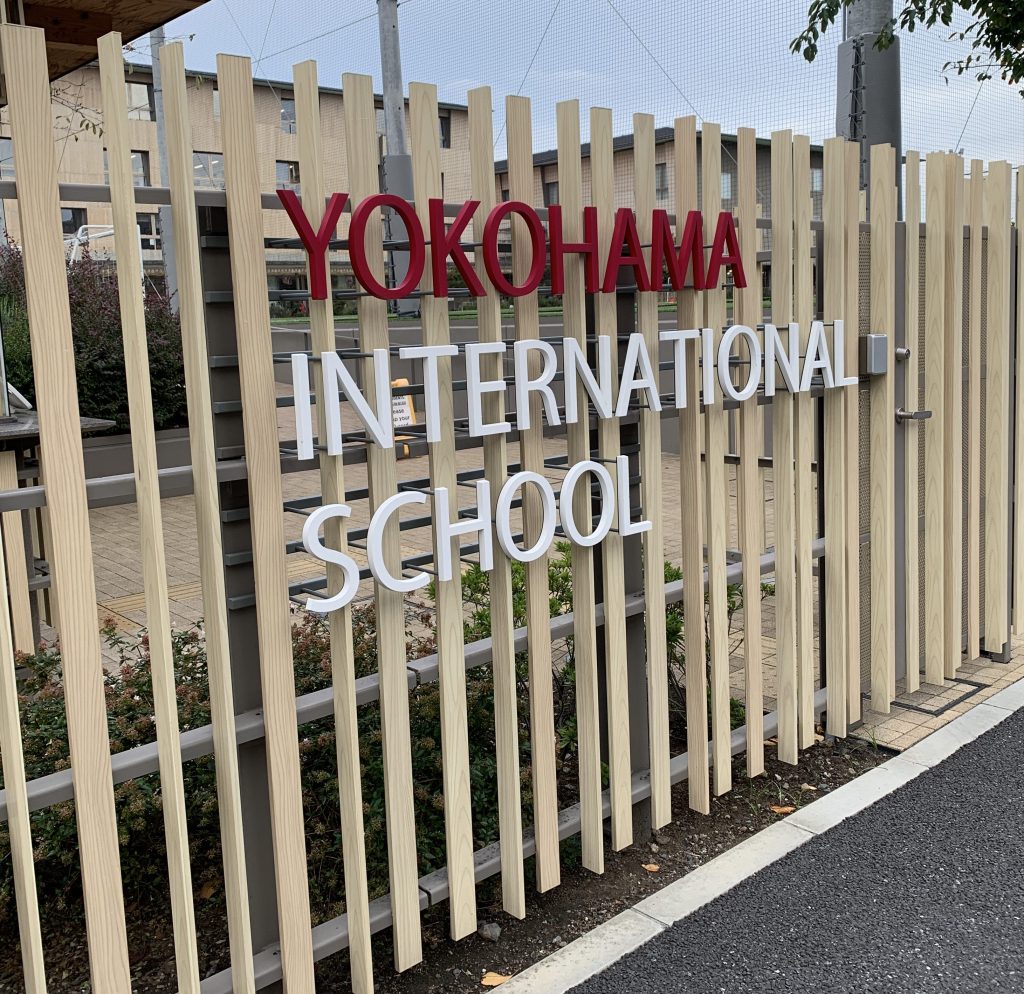
During the last few years I’ve had the privilege of visiting some of the top international schools in Asia including, Yokohama International School, Seoul Foreign School, Teajon Christian International School, Canadian Academy in Kobe, and Li Po Chun United World College. My visit to FIS marked my first international school visit in Europe and what a phenomenal visit it was!
What Are International Schools?
Because this is the first entry into the Adventure Year Series, allow me to take a moment to define and explain the history of international schools. International schools can be defined as private schools with a combination of multinational elements including: student body, teaching staff, board of directors, and curriculum.
International schools are different from public schools in various ways including: cultural and socioeconomic demographics of students, transient community members, tuition cost, private vs. public funding, for profit vs not-for-profit organizations, cultural barriers between teachers and students, opportunities to endeavor with best practice, curricular choice, and more professional development resources (Hayden & Thompson, 1995; Squire, 2001).
International schools originated in 1924 when both the International School of Geneva, Switzerland and Yokohama International School in Japan were founded (Hayden & Thompson, 2013). Due to economic growth and strained national education systems, international schools have been growing in popularity for decades. The most recent data from ISC Research (2025) suggests there are over 15,000 English-language international schools which educate a total of 7.6 million students worldwide.
FIS’ Place In History
Frankfurt International School, established in 1961, played a part in shaping international schools as we know them today. In particular by trialling initiatives for the International Baccalaureate (IB) including being a founding school for IB Diploma Programme (DP) and. The IB DP is now offered in over 3,800 schools worldwide (International Baccalaureate, 2025). FIS now has two campuses in the Frankfurt area, one in Oberursel (Pre-K – Grade 12) and one in Wiesbaden (Pre-K – Grade 8).
Highlights Of The Visit
When I arrived at the expansive FIS Oberusel campus, I was greeted by the incredible “mayor of Oberursel” herself, Sylvie! Sylvie was tremendously welcoming and from the start of our tour demonstrated that she has the gift of connection. With Sylvie’s help, it was a privilege to connect with numerous staff, learn from their experience, and hear what excites them about their current work.

Everyone in education knows how busy the school year can be. When the top international school campuses are in operation, it’s almost like a low hum of high expectations meeting jam-packed schedules can be heard throughout. Nevertheless, the staff were generous with their time. Special thanks to Gioia, Dr. Paul Fochtman, and Dr. John Switzer for taking time out of their admin schedules to connect.
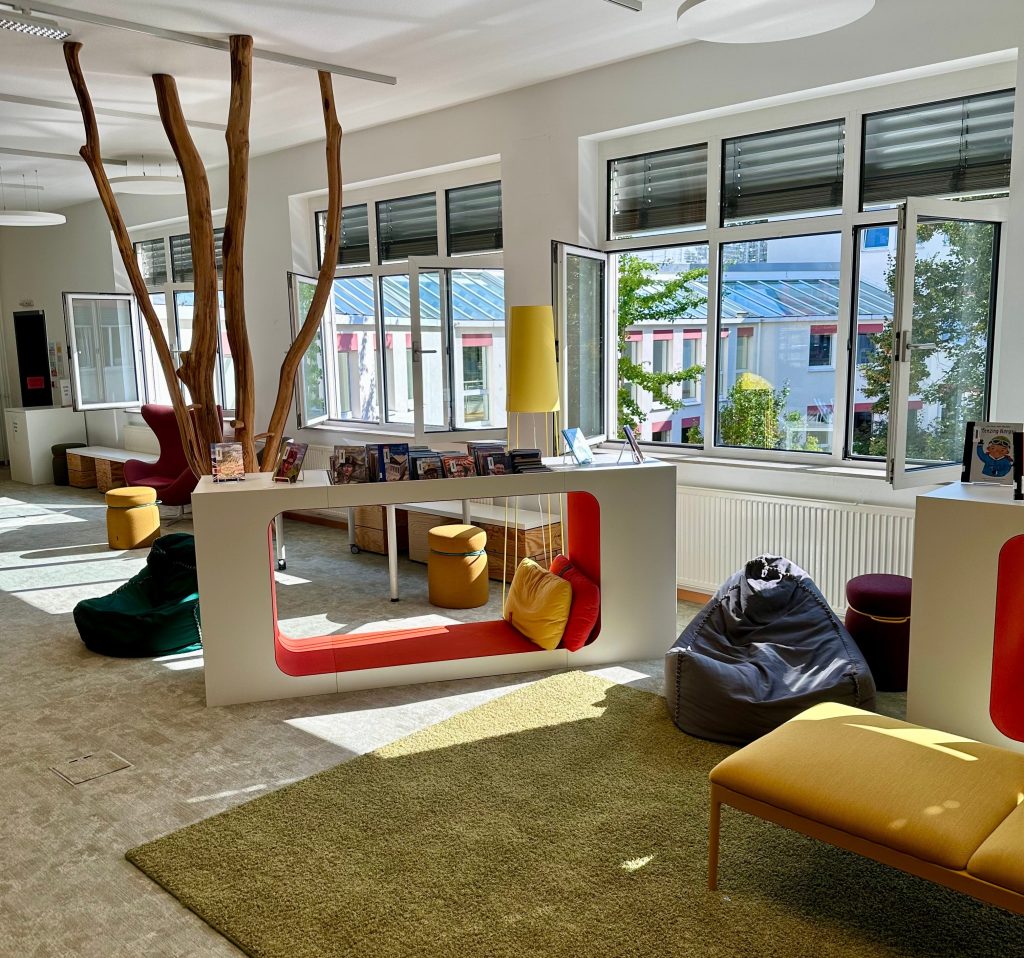
The facilities at FIS Oberursel are second to none. From expansive athletics spaces to phenomenal cafeteria food that would put a university to shame (I’m looking at you, UNB) they have it ALL covered.
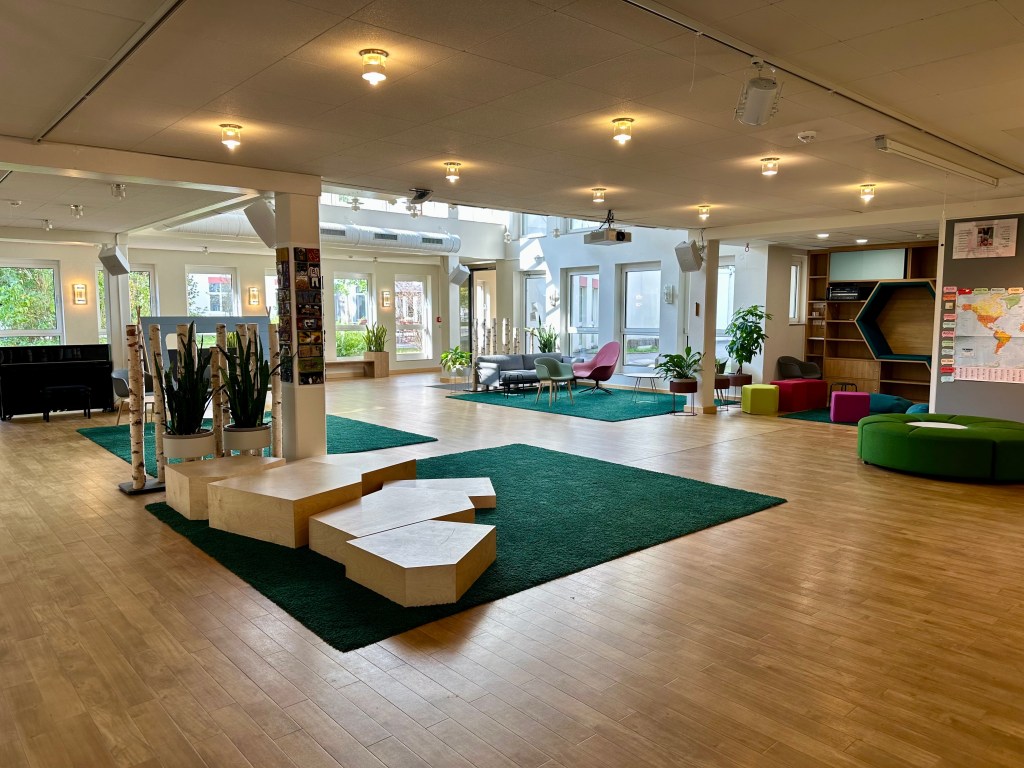
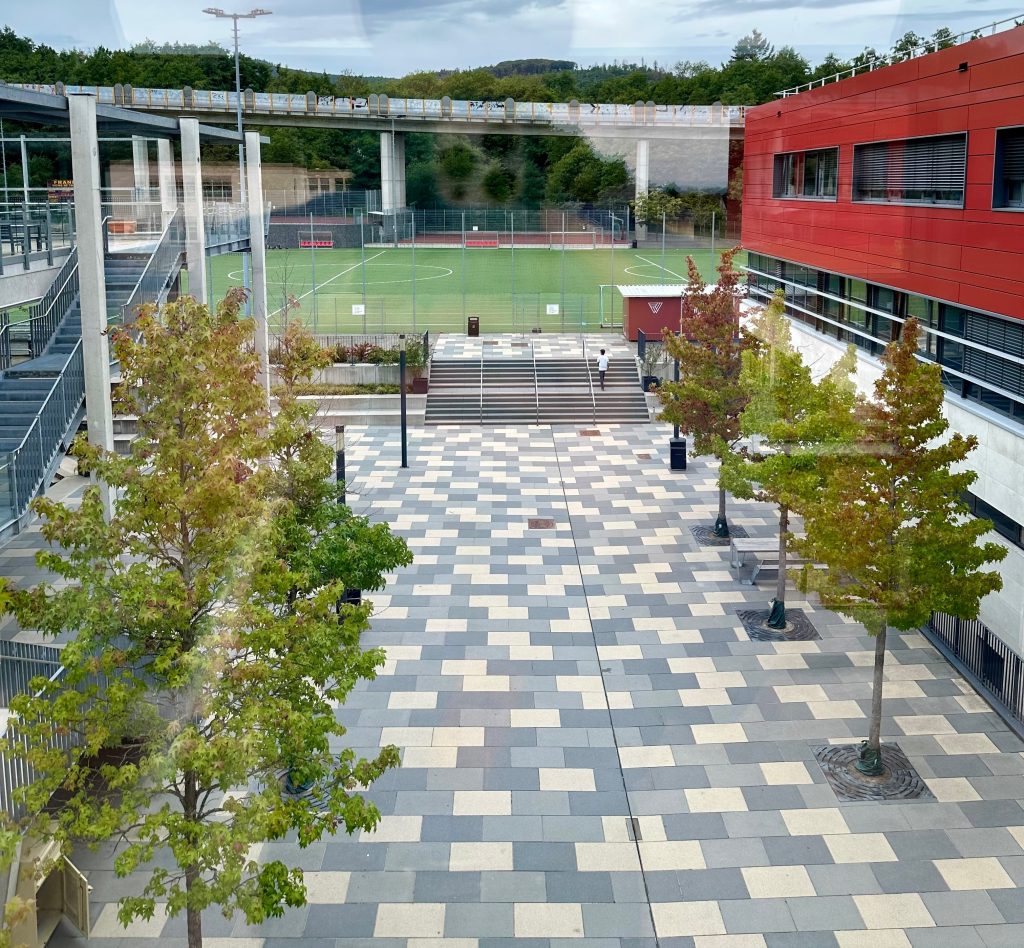
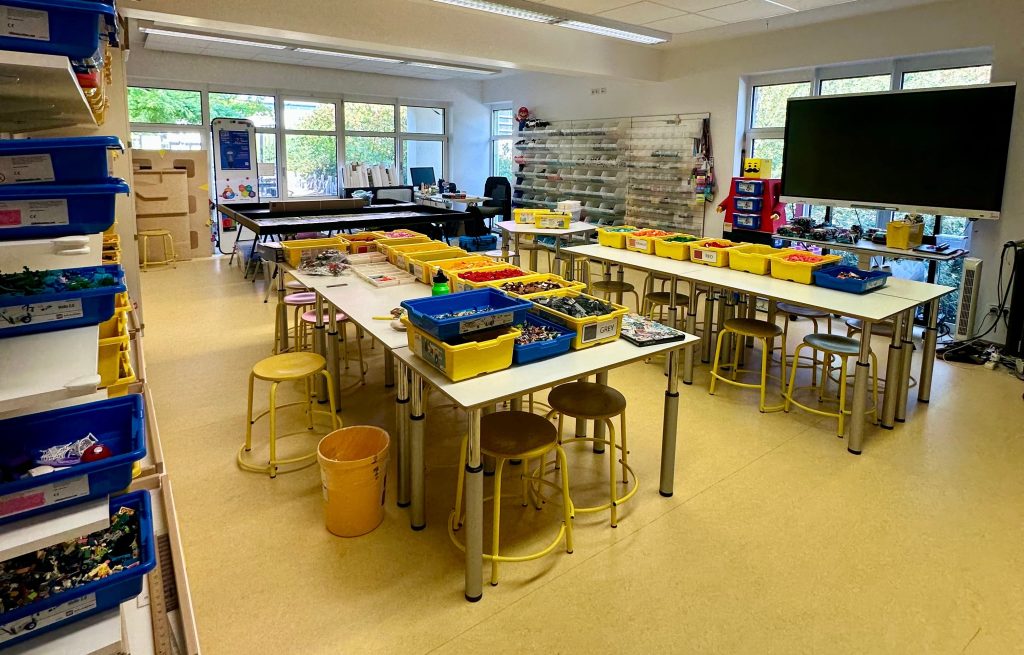
It only took a short visit to the Oberursel campus to understand their secret, they care. They truly care about students and their learning at the highest level possible. Their culture of excellence paired with the balancing act of appreciating their storied history and endeavoring to remain on the cutting edge materialized among the very first conversations I had on campus.
3 Key Takeaways
- Welcoming Environments Are Magnetic: The effort invested into hiring for, training, and curating welcoming environments can be the difference between good and great school cultures.
- Develop Leaders Within: Identify and develop leaders within your staff. Mentor them, give them opportunities to grow, and see how their strengths mesh with those of other leaders. When you increase leadership continuity, you increase your potential to improve school culture.
- Use Resources In Tremendous Ways: It is one thing to have tremendous resources as a school, quite another to use them in tremendous ways.
Stay tuned for more international school visits – up next FIS Wiesbaden.
Build culture, unlock potential. Visit my Connect Page or send a message on LinkedIn.
Peace & Blessings,
– Josiah
References
Hayden, M., & Thompson, J. (1995). International Schools and International Education: A relationship reviewed. Oxford Review of Education, 21(3), 327–345. https://doi.org/10.1080/0305498950210306
Hayden, M., & Thompson, J. (2013). International Schools: Antecedents, Current Issues and Metaphors for the Future. In International Education and Schools: Moving Beyond the First 40 Years (pp. 3–23). Bloomsbury Academic. https://doi.org/10.5040/9781472553034
International Baccalaureate. (2025). Facts and Figures. IBO. https://www.ibo.org/about-the-ib/facts-and-figures/
ISC Research. (2025, September 15). Data on international schools. ISC Research. https://iscresearch.com/data/
Squire, L. (Ed.). (2001). School Improvement and Professional Development in International Schools. In Managing International Schools (1st ed., pp. 105–122). Routledge. https://doi.org/10.4324/9780203482032-17
 Josiah Marr Consulting
Leave a comment