
Cell Phone Policy Renaissance in Canadian Schools
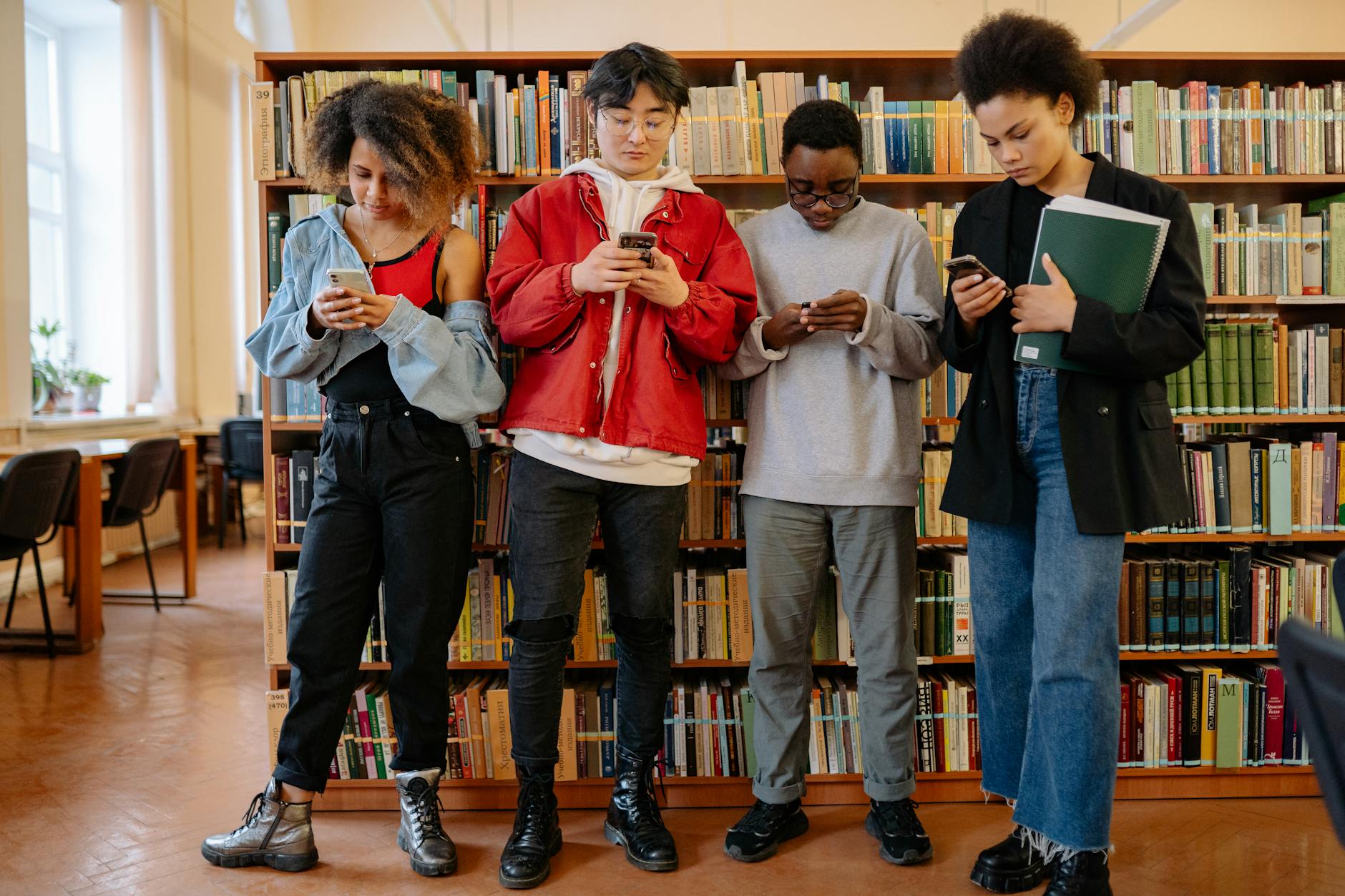
The data on youth cell phone & social media use clearly shows negative effects on health, stunted social development, limited academic progress, diminished sleep, and high degrees of addiction.
This school year, the discourse around cell phone policies in Canadian schools has picked up in numerous provinces such as British Columbia, Ontario, Quebec, and New Brunswick. Many are developing policies to limit cell phones in schools because of the ever-present data about the effects of social media (Canadian Medical Association Journal, Pew Research, NY Times, CBC). In particular the UNESCO’s 2023 report woke many up to these issues with recommendations to remove cell phones from classrooms and only allow technology which assists learning.

Cell Phone Policies Around the World
UNESCO claims that 1 in 4 countries have removed cell phones from schools. A few pertinent examples:
- France – One of the first countries to implement rules related to cell phones in the good old days of 2018. Their rules forbid students to have cell phones on school premises.
- South Korea – Since the start of the 2023/24 school year, public schools have banned cell phone use. It will be interesting to see if they maintain their place among the highest on the upcoming Programme for International Student Assessment (PISA) 2025.
- Singapore – According to UNESCO, cell phones are not allowed in classes, which may have contributed to earning the highest average PISA 2022 scores.

My Thoughts
At this point it’s important to emphasize, I believe technology is a valuable tool that will continue to be leveraged as education continues to evolve. That being said, the data on the detriment of cell phones & social media on student wellbeing and learning is clear.
Make no mistake, banning cell phones does not get to the heart of the issue. Cell phone & social media addiction is a symptom, the sickness is related to identity. Rules implemented in schools alone will not make a difference. But, focusing on education, working in partnership with parents and communities will.

A phenomenal example of an effective cell phone policy can be found at the International Community School (ICS) in Bangkok, Thailand, where I taught from 2016-2019. Karen Conwell, the tremendous Middle School principal at ICS, implemented a strict bell-bell no cell phone policy. Meaning from the first bell in the morning until the final bell at the end of the day, cell phones were not permitted on campus. The policy was communicated in advance to parents, staff were trained on implementation and enforcement, and students were given a grace-period. The immediate results were unmistakable, the policy was highly effective in driving student interaction and community building. Instead of having phones as a distraction in classes or driving students to isolation at lunch time, students were free to build relationships with peers and teachers. ICS middle school boasts the best professional atmosphere and school culture that I experienced in my career. I believe the cell phone policy is correlated to that atmosphere.
So, Should Cell Phones be Allowed in Schools?
As it relates to my doctoral research on school culture, the sad reality is the current “discourse” about cell phones is obvious (and should have taken place years ago), there is no comparison between school culture at an institution that allows cell phones during the school day and one that doesn’t (like ICS). In my experience, cell phones are a hindrance to school culture and should not be used during the school day.
I am interested to see how the discourse and policies surrounding cell phones and social media continue to develop. I believe that history will show the most successful education systems related to these topics were those who provided meaningful resources and who supported school leaders in implementing policy changes with appropriate nuance for their particular context.
Resources for Parents & Educators
- Paul Robertson – Resources for parents to discuss about cell phones & social media with their children
- Common Sense Media – Guide for parents to dialogue with their teens
- Media Smarts – Digital media resources for teachers
- Washington Post – Article about teen cell phone use
Thank you for taking the time to read this article. Visit my Connect Page to get in touch.
Peace & Blessings,
– Josiah
References
CBC (2023a). Quebec students forbidden from using cell phones in classrooms after winter break.
CBC (2023b). Social media gets teens hooked while feeding aggression and impulsivity, and researchers think they know why.
Canadian Medical Association Journal (2020). Smart phones, social media and youth mental health.
Global News (2024). New Brunswick child and youth advocate suggests schools be cell phone-free zones.
Globe and Mail (2024). B.C. struggles toward province-wide policy on phone use in schools.
Lefigaro (2018). Cell phones will be banned from the start of the school year.
Macleans (2024). More Canadian schools will say no to smartphones.
New York TIme (2023). The phone in the room.
OECD (2023). PISA 2022 Results.
Pew Research Center (2024). How teens and parents approach screen time.
The Star (2023). Ontario government wants tougher cell phone rules in schools.
UNESCO (2023a). Global education monitoring report.
UNESCO (2023b). Smartphones in school? Vancouver Sun (2024). B.C. to restrict use of mobile phones in public schools.
 Josiah Marr Consulting
Leave a comment